Uncategorized

Uncategorized

Metabolism Boosting Foods For Natural Fat Loss

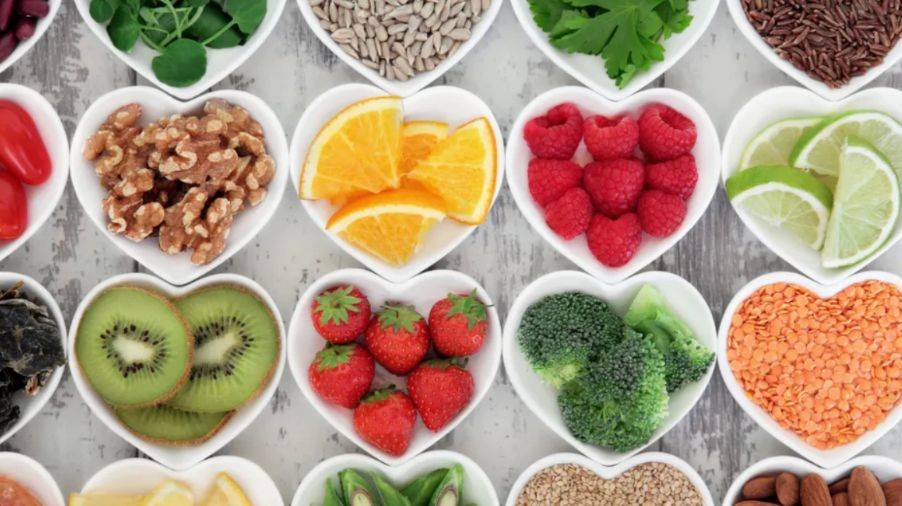
Metabolism Boosting Foods For Natural Fat Loss Maintaining a healthy metabolism plays an important role in achieving sustainable and natural fat loss. Metabolism refers to the process through which the body converts food into energy. When your metabolism works efficiently, your body burns calories more effectively, helping you maintain a healthy weight. Including metabolism-boosting foods in your daily diet can naturally support fat burning, improve energy levels, and enhance overall health. Metabolism Boosting Foods for Natural Fat Loss that help burn calories faster, increase energy, and support healthy weight loss—discover the best foods and start today! List of metabolism boosting foods Protein-Rich Foods Eggs Greek yogurt Lentils and beans Chicken and fish Paneer and tofu Whole Grains Oats Brown rice Quinoa Whole wheat Millets Spices That Increase Metabolism Ginger Turmeric Black pepper Cinnamon Chili peppers Enroll Now Ready for a Healthier You? Transform Your Body & Fire Up Your Metabolism
Uncategorized

Portion Control: The Secret To Effective Weight Management

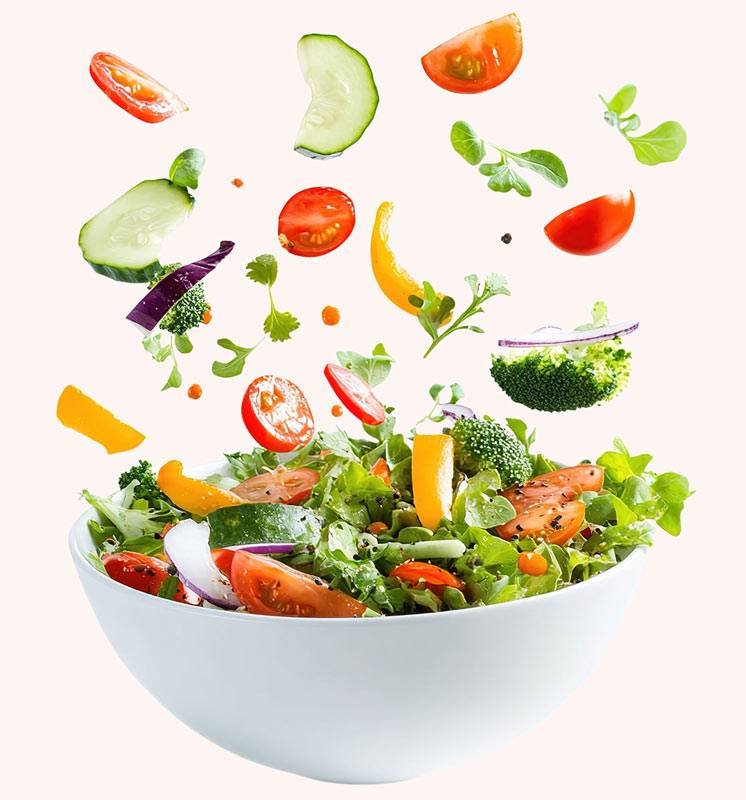
What is Portion Control ? Portion control means eating the right amount of food your body needs to function properly without overeating. It helps maintain a balance between calorie intake and energy expenditure. By being mindful of portion sizes, you can enjoy a variety of foods while still managing your weight effectively. Why it is Important for Weight Management? Prevents overearing, Supports digestion, maintain balanced nutrition,  Promotes sustainable weight loss.

Uncategorized

Muscle Building Nutrition: Dietitian’s Guide to Lean Muscle Gain

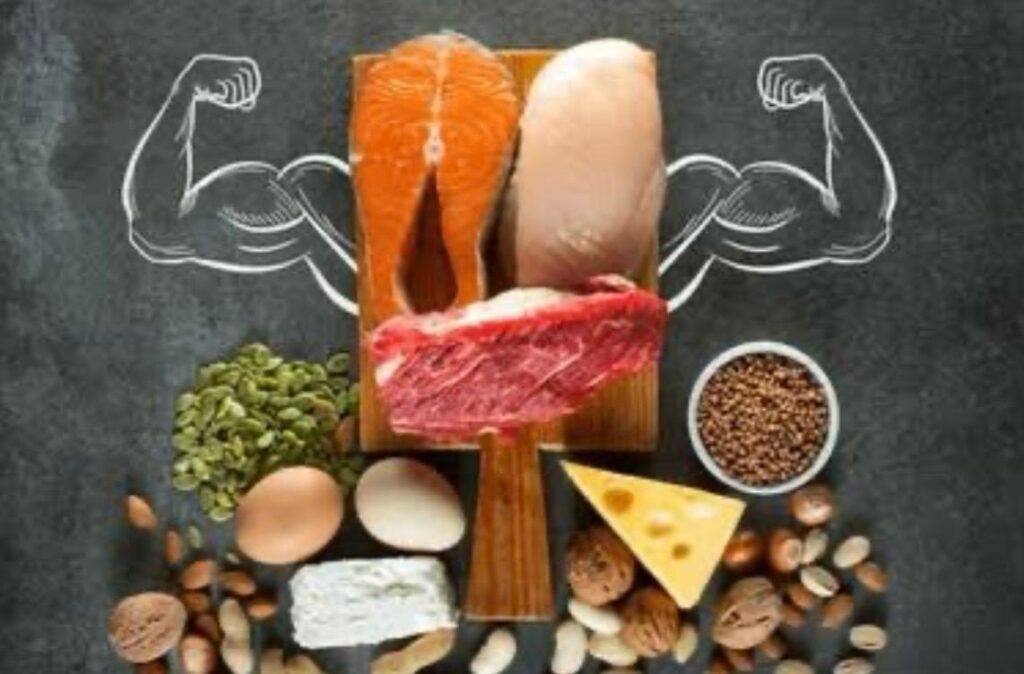
Building lean muscle is not just about lifting weights; it also requires the right nutrition to support muscle growth, recovery, and overall strength. A well-balanced diet that includes adequate protein, healthy carbohydrates, and essential fats helps the body repair muscle tissues and build stronger muscles over time. Following a proper muscle-building nutrition plan can improve body composition, increase strength, and boost energy levels. Nutrition plays a vital role in muscle development. When you perform strength training or resistance exercises, small tears occur in the muscle fibers. The body repairs these fibers using nutrients from food, making them stronger and bigger. Consuming a balanced diet with the right nutrients ensures optimal recovery and continuous muscle growth. Proper hydration and sufficient calorie intake are also essential to support increased physical activity and metabolic demands. Best Nutrients for Muscle Building 1. Protein-Protein is the most important nutrient for muscle growth. It helps repair and rebuild muscle tissues after workouts. Include protein-rich foods such as eggs, chicken, fish, paneer, tofu, lentils, beans, and Greek yogurt in your daily diet. 2. Complex Carbohydrates-Carbohydrates provide the energy required for workouts and help prevent muscle breakdown. Healthy sources include oats, brown rice, quinoa, whole wheat bread, sweet potatoes, and fruits. 3. Healthy Fats-Healthy fats support hormone production, including hormones involved in muscle growth. Foods such as nuts, seeds, avocados, olive oil, and fatty fish are excellent sources. 4. Vitamins and Minerals-Micronutrients like iron, calcium, magnesium, and vitamin D are important for muscle function and bone strength. Vegetables, fruits, dairy products, and whole grains help meet these nutritional needs.

Uncategorized

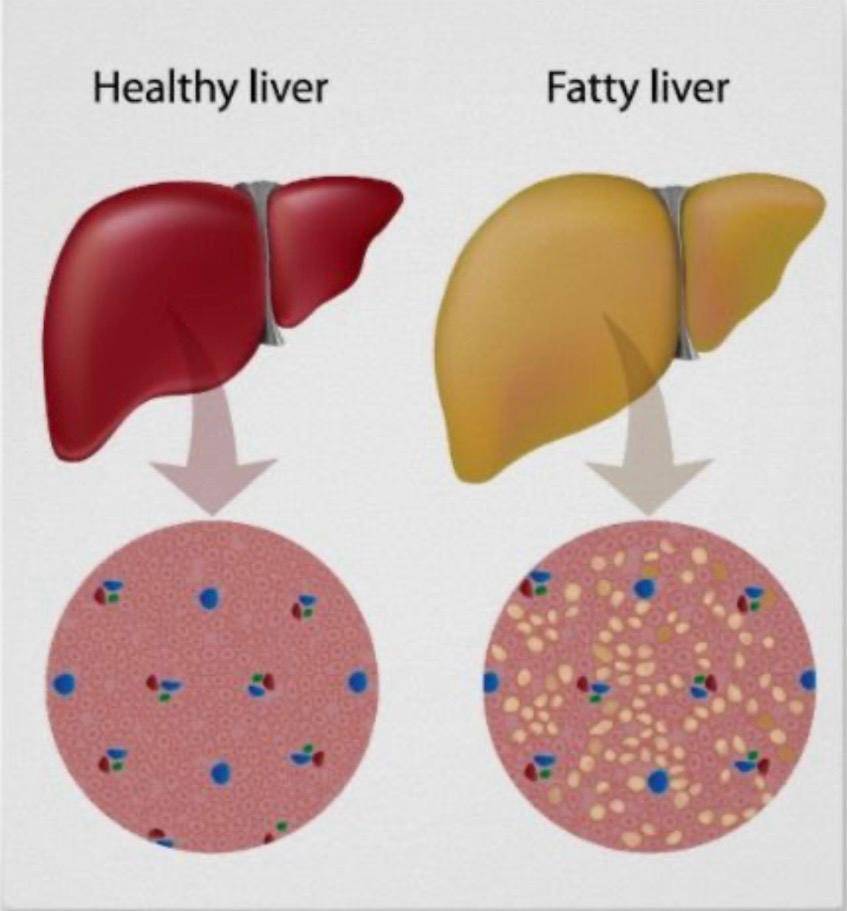
Fatty Liver Disease: Best Diet and Lifestyle Tips for Liver Health

Fatty Liver Diet Chart Breakfast Lunch Dinner Option 1- Vegetable oats + 5–6 soaked almonds + green tea Option 2- 2 moong dal chilla + mint chutney + 1 bowl papaya Option 3- Vegetable poha + 1 boiled egg / roasted peanuts Option 4- 2 whole wheat vegetable toast + low-fat paneer Option 5- Besan cheela with spinach + buttermilk Option 6- Vegetable upma + 1 fruit (apple or guava) Option 7- Greek yogurt / low-fat curd with chia seeds and fruits Option 1– 2 multigrain roti + mixed vegetable + dal + salad Option 2- Brown rice + rajma/chole + cucumber salad Option 3- 2 roti + grilled chicken / paneer + sautéed vegetables Option 4- Quinoa vegetable pulao + curd Option 5- 2 jowar/bajra roti + lauki or tori sabzi + dal Option 6- Vegetable khichdi (moong dal) + salad Option 7- Millet roti + palak paneer (low oil) + salad Option 1-1–2 multigrain roti + bottle gourd (lauki) sabzi + salad Option 2- Vegetable soup + grilled paneer/tofu Option 3- Moong dal cheela + sautéed vegetables Option 4- Stir-fried vegetables + tofu/paneer Option 5- Oats vegetable khichdi Option 6- Clear chicken soup + sautéed vegetables Option 7- 1 roti + mixed vegetable curry Lifestyle Tips for Fatty Liver Managing fatty liver disease requires a combination of healthy lifestyle habits and balanced nutrition. Maintaining a healthy weight is one of the most important steps, as excess body fat can increase fat accumulation in the liver. Regular physical activity, such as brisk walking, cycling, or strength training for at least 30 minutes a day, helps improve metabolism and supports liver function. A balanced diet rich in whole grains, fruits, vegetables, lean proteins, and healthy fats can help reduce liver fat and promote overall health. It is also important to limit processed foods, sugary drinks, and high-fat meals that can worsen liver conditions. Staying well-hydrated, getting enough sleep, and managing stress levels further support liver health. By adopting these simple yet effective lifestyle changes, individuals can improve liver function and reduce the risk of fatty liver progression. 🌿

Uncategorized

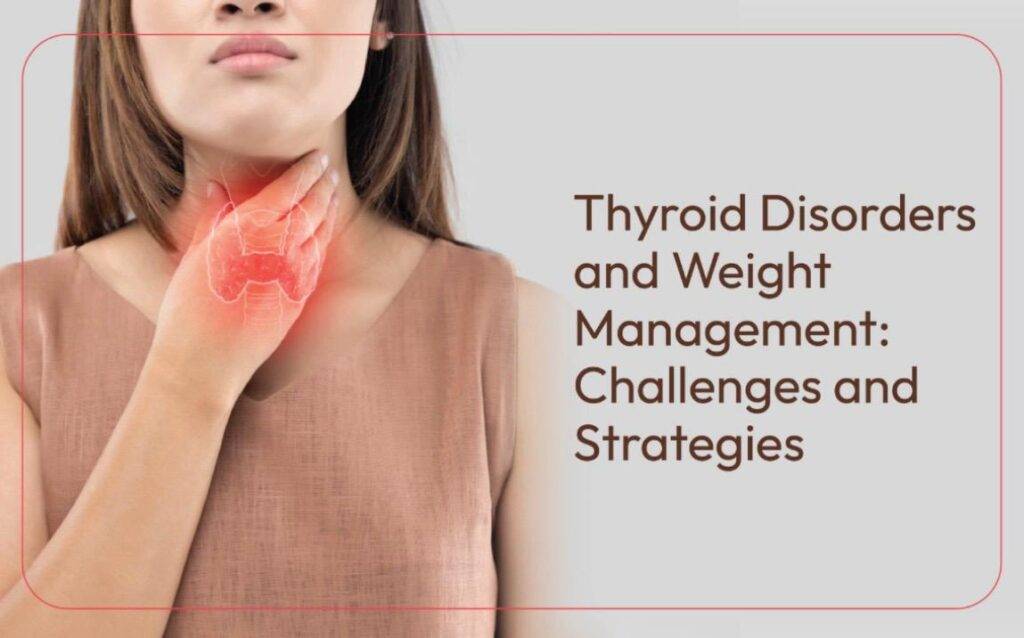
Healthy Living with Thyroid: Diet and Lifestyle Strategies

The thyroid gland plays a vital role in regulating metabolism, energy levels, body temperature, and overall hormonal balance. When the thyroid does not function properly, it can lead to conditions such as hypothyroidism (underactive thyroid) or hyperthyroidism (overactive thyroid). Managing thyroid health requires a combination of proper medical care, balanced nutrition, and healthy lifestyle habits. Diet Tips For Thyroid Health 1. Include Iodine-Rich FoodsIodine is essential for thyroid hormone production. Foods like iodized salt, dairy products, eggs, and seafood can help support thyroid health when consumed in appropriate amounts. 1. Include Iodine-Rich FoodsIodine is essential for thyroid hormone production. Foods like iodized salt, dairy products, eggs, and seafood can help support thyroid health when consumed in appropriate amounts. 2. Focus on Selenium and ZincSelenium and zinc are important minerals that help regulate thyroid hormone metabolism. Brazil nuts, sunflower seeds, whole grains, legumes, and nuts are good sources of these nutrients. 3. Add High-Quality ProteinProtein supports metabolism and muscle health, which can be affected by thyroid disorders. Include lean protein sources such as lentils, beans, paneer, tofu, eggs, fish, and chicken. 4.  Limit Processed and Sugary FoodsHighly processed foods, refined sugar, and unhealthy fats may worsen inflammation and weight gain, especially in individuals with hypothyroidism.

Uncategorized

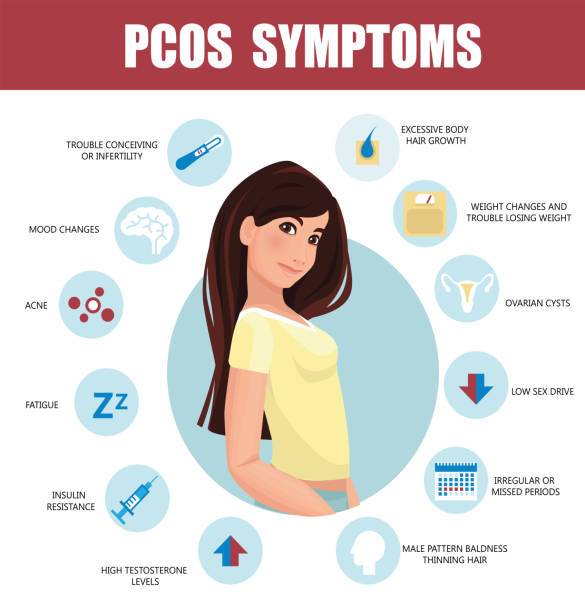
PCOD Nutrition Guide: Foods to Eat & Avoid for Hormonal Health

PCOD- Polycystic Ovarian Disease What is PCOD ? PCOD (Polycystic Ovarian Disease) is a common hormonal condition that affects many women of reproductive age. In this condition, the ovaries produce higher-than-normal levels of androgens (male hormones), which can interfere with the normal development and release of eggs during ovulation. As a result, multiple small cysts may develop in the ovaries, leading to irregular menstrual cycles and other health concerns. Foods To Avoid Classic symptoms of pcod- Irregular periods, missed periods, heavy menstrual bleeding, weight gain, acne, oily skin, excess facial or body hair (hirsutism), hair thinning or hair loss, dark patches on skin (acanthosis nigricans), difficulty conceiving, mood swings, fatigue. Potatoes, sweet potatoes, tapioca (cassava), yam, colocasia (arbi), corn, canned vegetables with added salt or preservatives Backend Button Mango, grapes, chikoo (sapota), lychee, custard apple (sitaphal), very ripe bananas, canned fruits in syrup, fruit juices. Fruits to avoid Backend Button Refined sugar, sweets and desserts, sugary drinks and sodas, white bread, white rice, maida products (cakes, pastries, biscuits), fried foods, fast food, processed snacks, packaged chips, instant noodles, processed meats (sausages, salami), high-fat dairy products, ice cream, sweetened breakfast cereals, energy drinks, alcohol. Backend Button Nutrition Plans for Every Goal Whether you’re looking to lose weight, improve energy, or feel more confident in your skin, we offer packages designed to transform your life.

Uncategorized

Therapeutic Diets: Healthy Eating Strategies for Diabetes

Managing diabetes requires more than just medication—it requires a balanced lifestyle, and nutrition plays a crucial role. Therapeutic diets designed for diabetes help regulate blood sugar levels, improve energy, and reduce the risk of long-term complications. By following the right eating strategies, individuals with diabetes can maintain stable glucose levels and support overall health. What Is a Therapeutic Diet for Diabetes? A therapeutic diet for diabetes is a medically designed eating plan that focuses on controlling carbohydrate intake, maintaining a healthy weight, and supporting overall metabolic health. This diet emphasizes nutrient-dense foods while limiting foods that cause rapid blood sugar spikes.

Scroll to Top